

 ruby@hgqyplastic.com



PETG Sheets vs Acrylic vs Polycarbonate: Which Clear Plastic Sheet Is Best for Your Project?
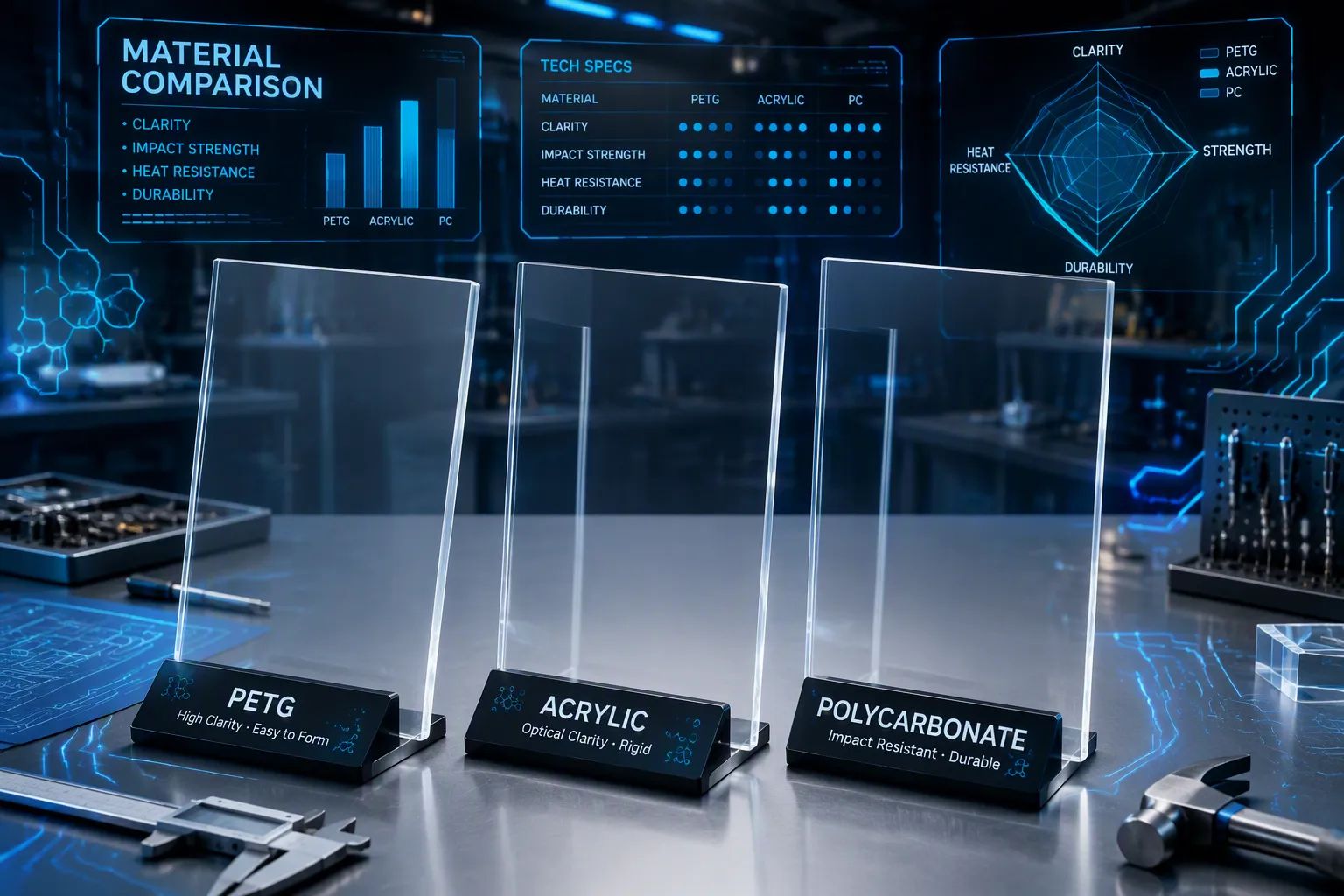
Three clear plastic options look almost the same but work very differently. Choosing the wrong one can cause common project problems, like using the wrong thickness or ignoring damage from the sun's UV rays. The best material depends on what you need. This guide compares PETG, acrylic, and polycarbonate to help you pick. You will also learn what to look for when choosing a plastic sheet supplier.
Key Takeaways
Choose polycarbonate if you need the strongest protection from impacts and the best resistance to heat.
Choose acrylic if you want the clearest view, scratch resistance, and outdoor use.
Choose PETG if you need a good mix of strength, safe handling with chemicals, and simple shaping.
PETG Sheets: Balanced Toughness and Formability
PETG (polyethylene terephthalate glycol) sits right in the middle of clear plastics. It gives you good impact resistance without the high price or hard-to-form issues of polycarbonate. This balance makes PETG a great option for many building projects.
Key Properties and Performance
PETG has a tensile strength of 7,500 to 9,000 psi. This range gives the material strength without making it too stiff. It bends under pressure instead of breaking all at once. Its notched Izod impact rating is 1.7 ft-lb/in under ASTM D256. That number is about 2 to 3 times higher than acrylic, which only gets around 0.4 ft-lb/in. Polycarbonate, on the other hand, gives 12 to 16 ft-lb/in—about 9 to 10 times stronger than PETG.
Property | PETG | Acrylic | Polycarbonate |
|---|---|---|---|
Notched Izod Impact (ft-lb/in) | ~1.7 | ~0.4 | 12–16 |
Thermoforming Ease | Wide window, best detail | Narrow window, stress whitening | Forms well, needs higher heat |
PETG stretches about 6% before it yields. This flexibility lets parts like snap-fits and living hinges bend without breaking. Acrylic cracks suddenly under the same stress. PETG also stands up well to alcohols, acids, and mild solvents. Food-contact grades meet FDA rules and have no BPA, so PETG is a top pick for food service use.
Common Applications and Limitations
You will see PETG in thermoformed trays, store displays, and protective shields. Sneeze guards, salad bar covers, and bakery case panels use its toughness. Machine guards and face shields benefit from its impact resistance and chemical safety.
PETG costs less than polycarbonate and is easier to form. Its wide thermoforming window copies fine details without stress whitening. You can cut, machine, and glue PETG with regular tools.
One downside stands out: PETG is softer than acrylic. It scratches more easily. For busy display surfaces where clear looks matter most, acrylic may work better. For jobs needing a mix of toughness, chemical resistance, and formability, PETG gives great value.
Acrylic: Superior Clarity and Weatherability

Acrylic is different from PETG and polycarbonate in one big way. It gives the clearest, most shiny look of all three. If your project needs a clean, glass-like look, acrylic should be your top choice.
Optical Clarity and Aesthetic Appeal
Acrylic lets about 92% of visible light through. PETG lets through about 90%. Polycarbonate lets through only 88%. You can see the difference with your eyes. Acrylic panels look sharper and more see-through. This is especially true in thicker sheets, where polycarbonate often has a slight yellow color.
Material | Light Transmission |
|---|---|
Acrylic | ~92% |
PETG | ~90% |
Polycarbonate | ~88% |
Acrylic can also get a very shiny polish easily. You can heat or buff its edges until they look like glass. Polycarbonate has a softer surface. It needs more careful work to get the same result. On the Rockwell scale, acrylic has the hardest surface at M-95. This hardness means acrylic resists scratches and wear better than PETG or polycarbonate. Display cases, picture frames, and store displays all benefit from this toughness.
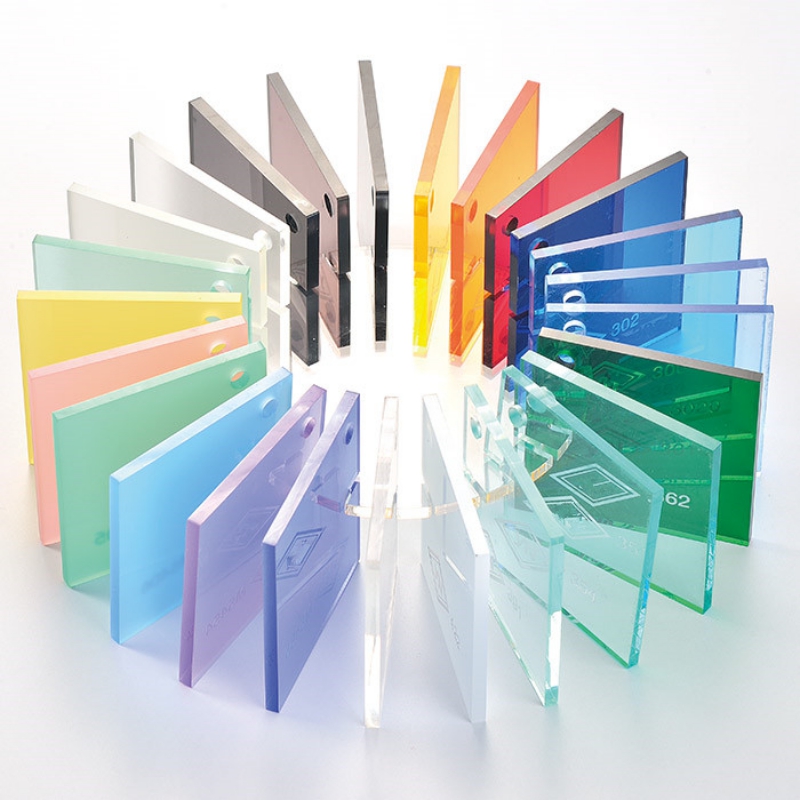
Acrylic usually comes in more colors than polycarbonate. Its better clarity and shine make acrylic a popular pick for projects where looks matter a lot. Examples are store displays or decorative setups.
Acrylic blocks the sun's UV rays naturally. This stops it from turning yellow or hazy over time. Polycarbonate needs a special coating to do the same job outdoors. For windows or signs that stay outside long term, acrylic stays clear while other plastics get dull.
Fabrication, Cost, and Brittleness
For indoor projects, acrylic is often the cheapest choice. Its raw material cost is usually lower than PETG and polycarbonate. You can cut, drill, and route acrylic with regular wood tools. Laser cutting gives clean, smooth edges with no extra work.
The downside is that acrylic is brittle. It cracks suddenly under stress instead of bending or stretching. Its notched Izod impact rating is only about 0.4 ft-lb/in. That is much lower than PETG's 1.7 ft-lb/in. A dropped acrylic sheet can shatter. A polycarbonate sheet of the same thickness would probably survive the drop.
Because it breaks so easily, acrylic is not good for safety uses. Machine guards, safety barriers, and security windows need tough, impact-resistant materials. Acrylic also gets white marks when it is heated and shaped. So it is not great for deep-drawn parts. PETG handles complex shapes well without this problem.
Pick acrylic when the most important things are clear vision, scratch resistance, and low cost. Do not pick it when you need impact strength or safety rules.
Polycarbonate: Unmatched Impact Resistance
When your project needs the strongest impact protection, polycarbonate is the only choice. Acrylic and PETG simply cannot match what this material can do.
Strength and Durability Metrics
Polycarbonate has the best impact resistance of these three clear plastics. Its notched Izod impact strength hits 12.0 to 16.0 ft-lb/in under ASTM D256. Acrylic only reaches 0.4 ft-lb/in.
Material | Izod Impact Strength (Notched) – ASTM D256 (ft-lb/in) |
|---|---|
Acrylic | 0.4 |
PETG | 1.7 |
Polycarbonate | 12.0 – 16.0 |
Heat resistance works the same way. Polycarbonate bends at about 132°C (270°F) under a 1.82 MPa load. Acrylic bends at 82°C (180°F). PETG does worse at 70°C (158°F).
Material | Heat Deflection Temperature (1.82 MPa) |
|---|---|
Acrylic | ~82°C (180°F) |
PETG | ~70°C (158°F) |
Polycarbonate | ~132°C (270°F) |
These numbers show up in real life. Polycarbonate is about 250 times stronger than glass at the same thickness. Acrylic is only 17 times stronger than glass. You can use thinner polycarbonate sheets and still get the same protection. Machine guards, safety barriers, and security windows all rely on this material.
Trade-offs in Scratch Resistance and UV Stability
Polycarbonate has flaws you need to know about. Its surface is softer than acrylic. Plain polycarbonate scratches easily during handling, cleaning, or daily use. Acrylic has a naturally harder surface that handles small scrapes better.
Sunlight causes another issue. Uncoated polycarbonate turns yellow and breaks down outdoors. Weather tests using ASTM G154 show it lasts only 2 to 5 years outside without protection. The Yellowing Index goes past 15, which proves fast color change.
Manufacturers fix both problems with coatings. Anti-scratch coatings put tiny nanoparticles on the surface. These layers stop scratches without hurting clarity. UV-resistant coatings block the sunlight that causes yellowing. Hard-coated polycarbonate gives you both impact strength and surface toughness. You will find this treated material in face shields, windshields, and machine guards where both features matter.
Pick polycarbonate when impact strength and heat resistance come first. Plan for coated grades if your project faces outdoor weather or frequent cleaning.
Head-to-Head Comparison: PETG vs. Acrylic vs. Polycarbonate
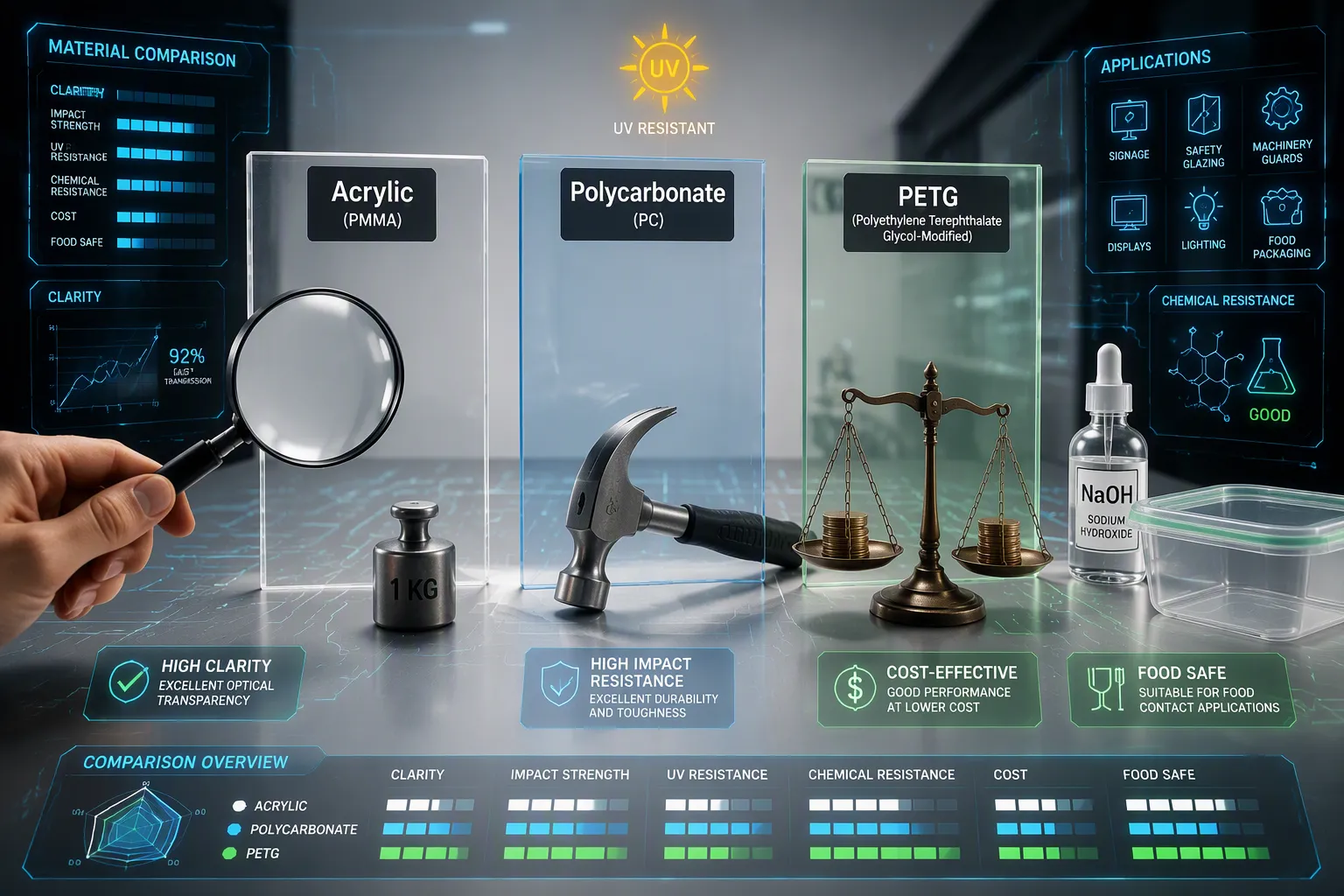
Now you know all about each material. Next, you need to compare them side by side. What matters most for your project will tell you which plastic to pick.
Evaluating Impact Strength, Cost, and Clarity
You have three things to balance when you pick a clear plastic. Impact strength keeps your project safe from damage. Cost affects how much you spend. Clarity decides how clear the sheet looks. No one material is best at all three.
Acrylic gives 92% light transmission, the highest of the three. Its impact strength is only 0.4 ft-lb/in (notched Izod). You pay the least for this material.
Polycarbonate has top impact strength at 12–16 ft-lb/in (notched Izod). Light transmission drops to 88–90%. You pay 35–50% more for this strength than for acrylic.
PETG is in the middle. Impact strength is 1.7 ft-lb/in (notched Izod), which is about 70% of what polycarbonate can handle. Light transmission matches polycarbonate at 88–90%. Cost is low to medium.
Think about a 6 mm × 1 m² sheet for a store display. Cast acrylic costs $30–$55. Polycarbonate costs $50–$85 for the same panel. That 40–60% price difference matters when you buy many sheets.
PETG absorbs about 70% of the impact energy that polycarbonate can take. That level is enough for many business uses. PETG also saves you 20–30% compared to polycarbonate. You get easier shaping and lower cost, unless you really need the protection of polycarbonate.
For safety uses like machine guards or security windows, polycarbonate is still the best choice. The higher price buys protection that acrylic and PETG cannot give. For display cases where clarity is most important, acrylic wins on both looks and cost.
Chemical Resistance, UV Stability, and Food Safety
Some projects need special features beyond basic strength and clarity. You must check chemical resistance, UV stability, and food safety when your project touches food, stays outside, or uses strong cleaners.
PETG is great with chemicals. It can handle alcohols, acids, and mild solvents without falling apart. Food-contact grades meet FDA rules under 21CFR177.1315 [b] [1] and have no BPA. The material also follows EU regulation NR 10/2011 and ISO 10993-5:2009 safety tests.
TUFFAK FD is clearly labeled as an FDA-approved polycarbonate sheet for food contact. This directly confirms its legal status for such use.
Polycarbonate wins on heat resistance. It can take temperatures up to 270°F. Acrylic softens at 180°F, and PETG at 158°F. This matters near motors, ovens, or other heat sources.
Acrylic has the best UV stability of the three. It blocks sunlight naturally without turning yellow. PETG turns yellow after 3–5 years outdoors. Polycarbonate needs a UV coating for long-term sun use.
Your choice becomes clear. Pick polycarbonate for top impact and heat resistance. Pick acrylic for clarity, UV stability, and low cost. Pick PETG when you need chemical resistance, food safety, and good toughness at a fair price.
Choosing a Plastic Sheet Supplier for Your Project
After you pick the right material, you need a good source. A good plastic sheet supplier does more than just send you sheets. They become your partner for making parts, checking quality, and giving advice.
What to Look for in a Supplier
Start by looking at what they can do. A strong supplier has many machines like die cutting presses, CNC routers, laser cutters, and water jet systems. These tools can handle all kinds of making jobs. You want one partner to cut, shape, and finish your parts. That way you do not have to use many different vendors.
Also look for finishing and assembly services. Things like gluing layers, bending with heat, painting, putting in fasteners, and adding gaskets finish your project. One place that does everything keeps quality the same and cuts down delays.
Material range: They should have acrylic, polycarbonate, HDPE, ABS, PETG, and EPVC. Full sheets and pieces cut to your size matter.
Custom capabilities: They cut parts to exact sizes. They can also change thickness, size, color, surface finish, and UV protection.
Local presence: A nearby partner means faster talking, less shipping wait, and easier teamwork.
Certifications: Look for FDA approval for food use, FM4910 for clean rooms, or AS9100D for airplane parts. APR PCR certification proves they use recycled materials.
Matching Material to Application Scenarios
What you are making decides the material. Use this table to start.
Application | Recommended Material | Key Supporting Properties |
|---|---|---|
Food Shields | PETG | FDA food-contact compliance, impact resistance, deforms instead of shattering |
Display Cases | Acrylic or PETG | Acrylic: ~92% light transmission, UV-stable; PETG: higher impact resistance |
Outdoor Signs | Acrylic | Naturally UV-stable, no yellowing |
Machine Guards | Polycarbonate | High impact strength, heat resistance |
For machine guards, polycarbonate is the best. Mills, robot enclosures, and safety guards all need material that does not shatter. Polycarbonate's strength protects workers and still lets them see.
Food shields work best with PETG. It is FDA approved and tough, so it is safe for busy food areas. Acrylic works for display cases where clear view matters most. Outdoor signs need acrylic because it stays clear in the sun.
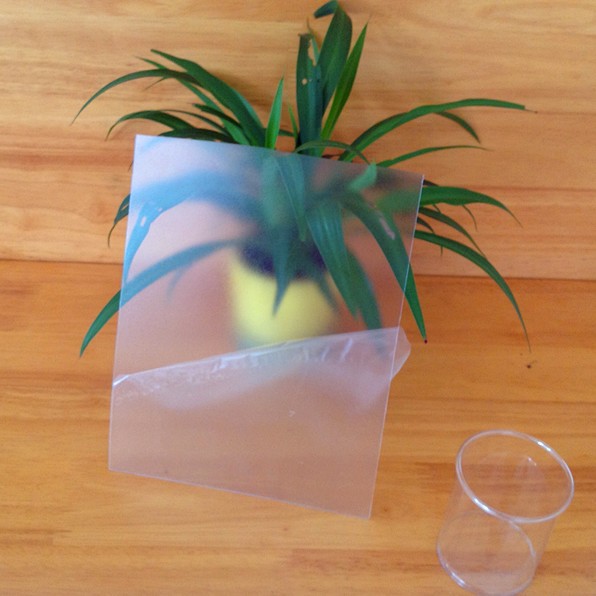
A good plastic sheet supplier will help you decide. They will ask about your setting, safety needs, and budget. Then they will tell you the best material and how to make it. That expert advice stops costly errors.
Your priority determines the right material. Choose polycarbonate for maximum impact resistance. Select acrylic for clearest optics and indoor cost savings. Pick PETG when you need balanced toughness, chemical resistance, and formability. Contact a reputable plastic sheet supplier for personalized guidance. Their specialists will match material to your exact application, preventing costly mistakes.
FAQ
Can I glue these plastics together?
Yes, but each material needs its own adhesive. Acrylic bonds with solvent cements. PETG and polycarbonate require specialized adhesives. Ask your plastic sheet supplier for the correct product to avoid cracking or weak joints.
How do I clean clear plastic sheets without damaging them?
Use mild soap and a soft microfiber cloth. Avoid ammonia-based cleaners; they harm polycarbonate and cause acrylic to craze. Rinse with water and dry gently to prevent scratches.
Which material resists yellowing best outdoors?
Acrylic wins for outdoor use. It blocks UV rays naturally and stays clear for years. PETG yellows after 3–5 years. Polycarbonate needs a UV-resistant coating to prevent discoloration.