

 ruby@hgqyplastic.com



Why Choose PET Sheets for Thermoforming from HSQY
Why Choose PET Sheets for Thermoforming from HSQY
Your Trusted Partner for High-Quality PET Roll Stock and Thermoforming Solutions
Key Takeaways
Consistent gauge ensures uniform heating, stable forming, and minimal scrap
Safe for direct food contact – essential for packaging applications
One supplier for diverse applications – from lightweight blister packs to rigid trays
Saves time, energy, and production cost
Consistent cavity depths, sharp corners, and clean finishes every time
Stable supply, reliable bulk capacity, and on‑time delivery
Introduction
The global thermoforming PET sheet market was valued at approximately US$9.85 billion in 2025 and is projected to reach US$14.23 billion by 2032, growing at a CAGR of 5.4%. This growth is driven by rising demand for sustainable, high‑performance packaging across food, medical, and consumer goods sectors.
But with so many PET sheets for thermoforming on the market, how do you choose the right wholesale PET Sheet supplier? And why should you trust a China PET Sheet factory like HSQY to deliver consistent, high‑quality pet roll sheet for thermoforming every time?
This guide answers these questions by examining the critical factors that define superior thermoforming performance – from material consistency and thickness tolerance to certification and production capacity.
1. What Makes PET Sheets Ideal for Thermoforming?
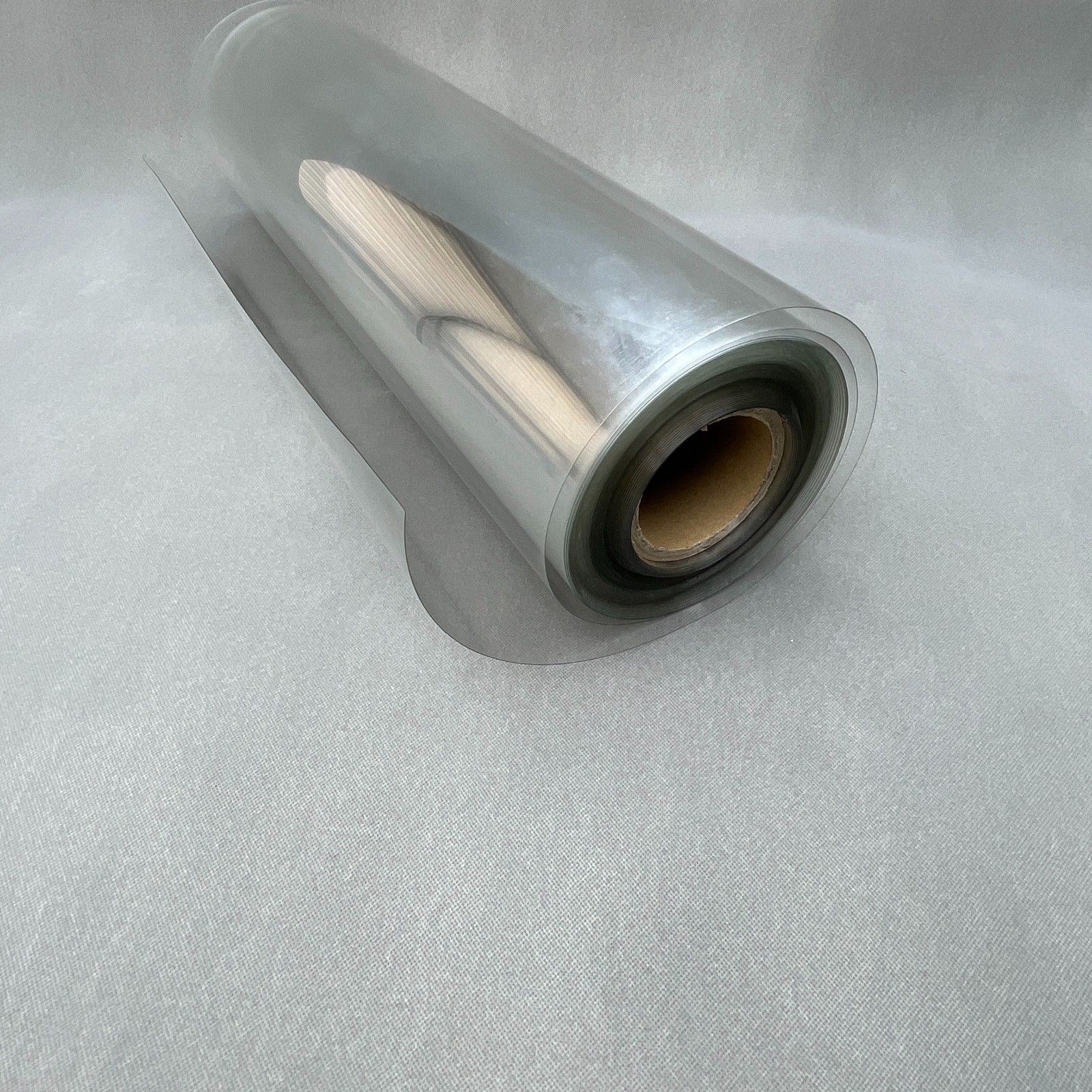
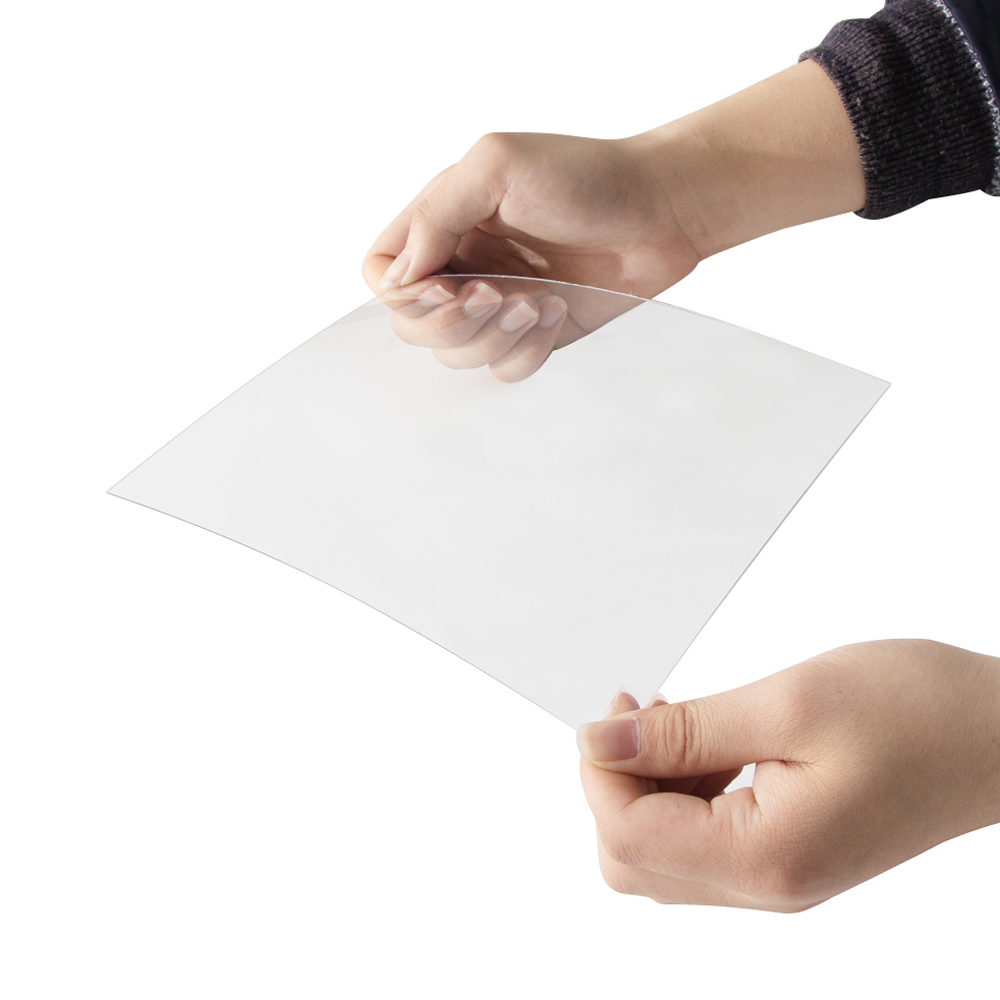
PET sheets for thermoforming are the material of choice for a wide range of applications because of their unique combination of properties:
Superior Thermoformability
PET sheets exhibit excellent dimensional stability during thermoforming, allowing converters to maintain consistent cavity depths, sharp corners, and clean finishes. Unlike some materials that become brittle or warp under heat, PET flows evenly into complex mold geometries – even in deep‑draw applications.
Broad Application Range
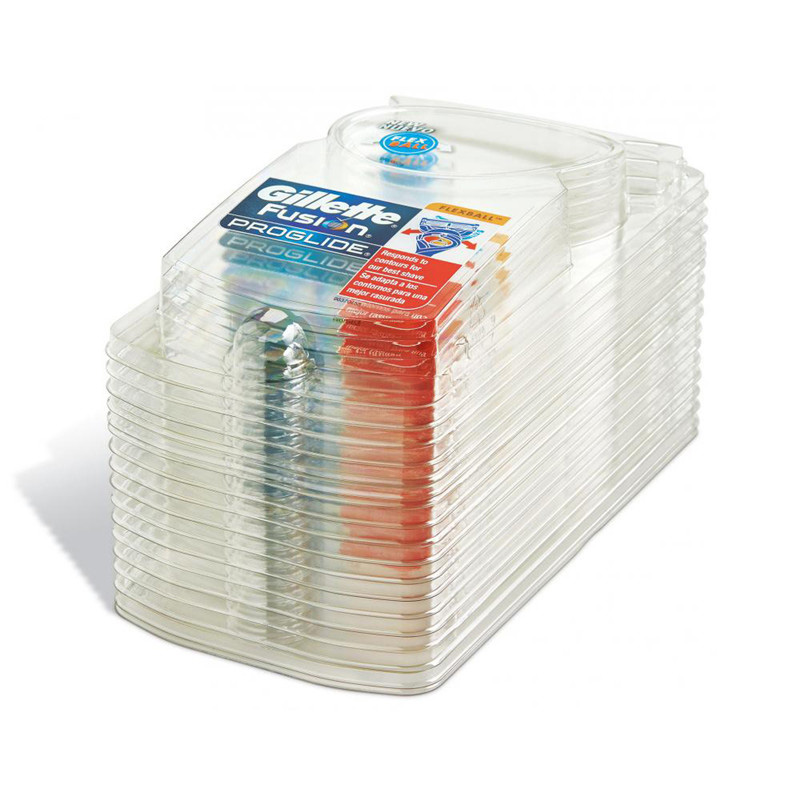
From food packaging to medical devices, PET roll sheet for thermoforming serves diverse industries:
| Application | Key Requirement |
|---|---|
| Food Trays & Containers | FDA compliance, clarity, barrier properties |
| Blister Packs | Consistent thickness, formability, pharmaceutical-grade quality |
| Clamshell Packaging | Rigidity, transparency, impact resistance |
| Fruit & Vegetable Trays | Clarity, food safety, recyclability |
| Medical Packaging | Sterilizability, dimensional stability, cleanroom compatibility |
| Printed & Folded Cartons | Printable surface, rigidity, flatness |
No Pre-Drying Required
Unlike some hygroscopic materials, high‑quality PET sheets for thermoforming can be processed without pre‑drying, significantly improving production efficiency and reducing energy costs.
2. Quality Standards: What to Look for in a Wholesale PET Sheet Supplier
Not all wholesale PET Sheet supplier offer the same level of quality. Here's what separates a reliable China PET Sheet factory from the rest:
Thickness Tolerance – The Critical Variable
Thickness tolerance directly impacts heating consistency, forming stability, and scrap rate. A 0.6mm PET sheet with poor tolerance can perform worse than a 0.5mm sheet with stable thickness distribution.
ISO 13636:2012 specifies thickness tolerances for non‑oriented PET sheets:
| Sheet Thickness | ISO 13636 Tolerance |
|---|---|
| ≤ 0.2 mm | ±20% |
| 0.2 – 0.5 mm | ±15% |
| ≥ 0.5 mm | ±10% |
A reliable PET sheet for thermoforming supplier maintains these tolerances – or better – to ensure uniform wall thickness in the final formed product. Industry best practice for food‑contact trays specifies ±0.05mm on nominal gauge – meaning a 0.5mm sheet must measure between 0.45mm and 0.55mm at any point.
Optical Clarity and Surface Quality
For applications where product visibility matters – such as fruit trays, clamshell packaging, and retail displays – optical clarity is paramount. A premium pet roll sheet for thermoforming should deliver:
High light transmittance with minimal haze
Consistent gloss and surface finish
No visible scratches, bubbles, or streaks
Dimensional Stability
PET sheets for thermoforming must maintain their dimensions during heating, forming, and cooling. Poor dimensional stability leads to warping, shrinkage, and inconsistent part quality. The best China PET Sheet factory uses precision extrusion and controlled cooling to lock in stable dimensions.
3. Certifications and Compliance: Why They Matter
When selecting a wholesale PET Sheet supplier, certifications are non‑negotiable – especially for food and medical applications.
FDA Compliance for Food Contact
For food packaging, the material must be FDA‑compliant for direct food contact under FDA 21 CFR 177.1630. This ensures that the PET sheets for thermoforming do not leach harmful substances into food products.
ISO 13636:2012 Certification
ISO 13636:2012 specifies requirements and test methods for non‑oriented PET sheets made from virgin or recycled PET resin. Compliance demonstrates that a China PET Sheet factory meets international standards for quality and performance.
Additional Certifications
A trustworthy wholesale PET Sheet suppliershould also hold:
ISO 9001 – Quality management systems
BRC / FSSC 22000 – Food safety management (for food‑grade materials)
REACH / RoHS – Chemical safety compliance for EU markets
4. The HSQY Advantage: Why We're Your Trusted China PET Sheet Factory
With so many options available, why choose HSQY as your PET sheets for thermoforming partner?
Manufacturing Scale and Capacity
HSQY operates 12 factories with 40+ production lines, ensuring stable supply and rapid delivery for bulk orders. As a leading wholesale PET Sheet supplier, we have the capacity to handle orders of any size – from trial quantities to full container loads.
Precision Quality Control
Every batch of pet roll sheet for thermoforming undergoes rigorous quality control:
Real‑time thickness monitoring to maintain ISO 13636 tolerances
Optical inspection to ensure clarity and surface quality
Dimensional stability testing to guarantee consistent forming performance
Food‑Grade Compliance
Our PET sheets for thermoforming are manufactured from FDA‑compliant materials, safe for direct food contact. We also offer rPET options for customers seeking sustainable packaging solutions.
Customization Capabilities
As a flexible China PET Sheet factory, we offer:
Thickness range: 0.18mm to 2.0mm (and beyond for specialized applications)
Custom widths and roll sizes
Surface finishes: clear, matte, textured, or anti‑static
Color options: transparent, opaque, and custom colors
Global Export Experience
With over 20 years of export experience serving customers worldwide, HSQY understands the documentation, logistics, and regulatory requirements for international shipping.
Technical Support
Our technical team provides expert guidance on material selection, processing parameters, and production line compatibility – ensuring your pet roll sheet for thermoforming performs optimally on your equipment.
5. Key Thermoforming Parameters for PET Sheets
Understanding the right processing parameters helps you get the best results from your PET sheets for thermoforming:
| Parameter | Typical Range for PET |
|---|---|
| Heating Temperature | 130°C – 160°C |
| Mold Temperature | 60°C – 80°C |
| Maximum Draw Ratio | 1.5 : 1 |
| Minimum Wall Thickness | ≥25% of original sheet thickness |
A reliable wholesale PET Sheet supplier should provide technical data sheets with recommended processing parameters for their specific materials.
Frequently Asked Questions (FAQ)
Authoritative External Resources
For further information on PET sheet standards and thermoforming best practices, please refer to these authoritative sources:
ISO 13636:2012 – Plastics — Film and sheeting — Non‑oriented poly(ethylene terephthalate) (PET) sheets
FDA 21 CFR 177.1630 – Polyethylene terephthalate (PET) for food contact applications
ASTM D1003 – Standard Test Method for Haze and Luminous Transmittance of Transparent Plastics
ISO 9001:2015 – Quality Management Systems
Global Thermoforming PET Sheet Market Report – Market size and growth projections
These resources provide the technical and regulatory framework that underpins quality requirements for PET sheets for thermoforming and pet roll sheet for thermoforming products.