


 ruby@hgqyplastic.com



The Difference Between PP and PS Plastic Sheets
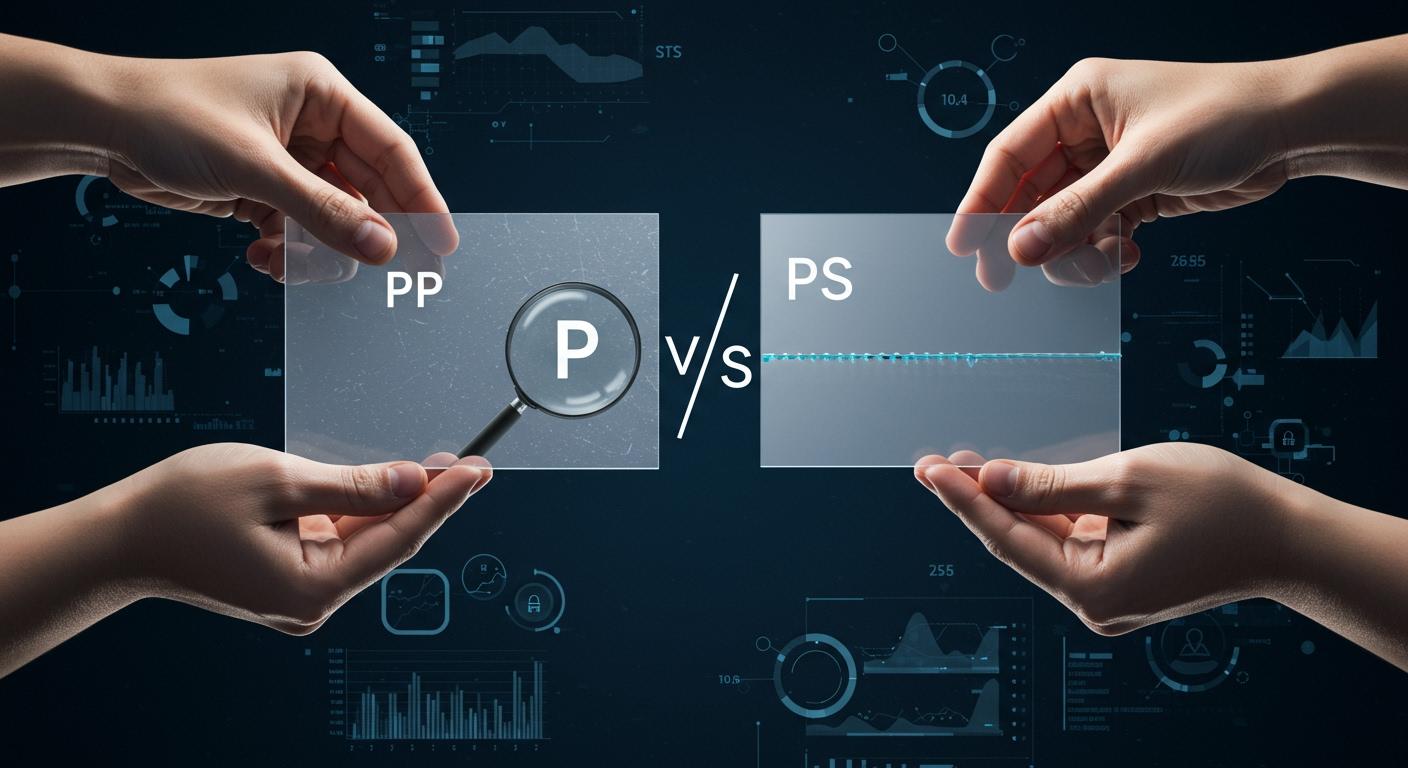
You can see that PP PLASTIC SHEET and PS plastic sheets are not the same. PP PLASTIC SHEET is stronger and does not get damaged by heat easily. PS sheets are stiffer but can snap or crack fast. To pick the right sheet, you should know these facts. Many people who buy, make, or use these sheets learn about them first. This helps them choose the best one for their work. Think about what each sheet can do, how it is used, and if it fits your needs before you decide.
Overview
PP Plastic Sheet
PP PLASTIC SHEET is used in many places. It is strong and can bend without breaking. This sheet is made from polypropylene. Polypropylene is a tough plastic that does not melt easily. You can find PP PLASTIC SHEET in packaging and car parts. People also use it for DIY projects. Manufacturers pick this sheet when they need something flexible. You can shape it by extrusion or thermoforming.
Here is a table that shows how PP PLASTIC SHEET and PS plastic sheets are made:
| Plastic Type | Manufacturing Processes |
|---|---|
| PP (Polypropylene) | Extrusion, Thermoforming |
| PS (Polystyrene) | Extrusion, Thermoforming |
New technology has made PP PLASTIC SHEET better. Now, you can get thin sheets that are still strong. Some companies use co-extrusion to make sheets with layers. New machines help control how thick and smooth the sheets are. A special laser can make sheets as thin as 50 micrometers. This helps when you need very thin and exact sheets.
PS Plastic Sheet
PS plastic sheet is made from polystyrene. It feels harder than PP PLASTIC SHEET. This sheet is good for things that must keep their shape. People use it for food trays and display cases. You can cut and shape PS plastic sheet by extrusion or thermoforming.
New ways to make PS plastic sheet help make it lighter and thinner. Companies have made packaging weigh less and sheets thinner. A cooling base with a laser helps make thin films without hurting the sheet. This method lets you control how deep and thick the grooves are. It is good for making detailed designs.
Tip: Pick PP PLASTIC SHEET if you need a sheet that bends and does not melt easily. Choose PS plastic sheet if you want a sheet that stays stiff and keeps its shape.
Properties
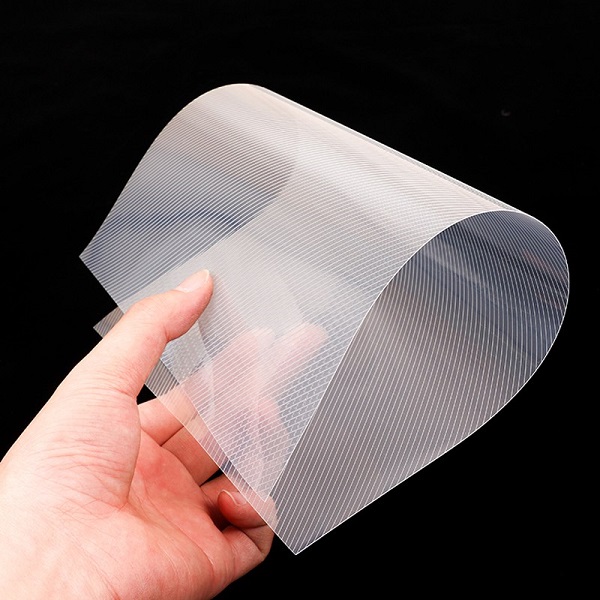
PP Plastic Sheet Properties
When you look at PP PLASTIC SHEET, you notice many useful features. Here are the main properties you should know:
Transparency: PP PLASTIC SHEET is usually translucent. You can see light pass through, but it is not fully clear. Some sheets can be made more transparent for special uses.
Toughness: This material is tough. It can handle rough use without breaking. You can bend it, and it will not snap.
Flexibility: You can bend PP PLASTIC SHEET easily. It does not crack when you fold it. This makes it good for things that need to move or flex.
Rigidity: While it is flexible, it still holds its shape well. It does not feel soft or floppy.
Brittleness: PP PLASTIC SHEET is not brittle. It will not break into pieces if you drop it or hit it.
Impact Resistance: You can drop or hit this sheet, and it will not break. It absorbs shocks well.
Melting Point and Heat Resistance:
The melting temperature of polypropylene ranges from 130°C to 171°C (266°F to 340°F).
This high melting point means you can use PP PLASTIC SHEET in hot places, like microwaves or near engines.
Tensile Strength: This sheet can stretch without tearing. It holds up well when you pull on it.
Cost: PP PLASTIC SHEET is affordable. You get good value for its strength and flexibility.
Note: As temperature rises, the strength and stiffness of PP PLASTIC SHEET can decrease. You should keep this in mind if you use it in very hot places.
Food Safety:
Material Description Polypropylene FDA approved for food contact, used in single-serve containers like yogurt cups, microwave safe.
PS Sheet Properties
PS plastic sheet has its own set of features. Here is what you need to know:
Transparency: PS plastic sheet is often very clear. You can see through it easily. This makes it good for display cases and packaging.
Toughness: PS plastic sheet is not as tough as PP PLASTIC SHEET. It can break if you bend it too much.
Flexibility: This sheet is stiff. You cannot bend it much without snapping it.
Rigidity: PS plastic sheet feels hard and rigid. It keeps its shape well.
Brittleness: PS plastic sheet is brittle. If you drop it or bend it, it can crack or break.
Impact Resistance: This sheet does not handle impacts well. It can shatter if you hit it hard.
Melting Point and Heat Resistance:
PS plastic sheet melts at a lower temperature than PP PLASTIC SHEET. It cannot handle high heat. You should not use it in microwaves or near hot surfaces.
Tensile Strength: PS plastic sheet does not stretch much. It can break if you pull on it too hard.
Cost: PS plastic sheet is usually low-cost. It is a budget choice for many uses.
Tip: Both PP PLASTIC SHEET and PS plastic sheet must meet FDA safety standards for food contact. Suppliers test them with water, alcohol, and other solutions to make sure they are safe for food.
Food Safety:
Material Description Polystyrene Commonly used in food packaging, must meet FDA safety standards for food contact applications.
You should remember that both types of plastic change when they get hot. For PP PLASTIC SHEET, the strength and stiffness drop as the temperature goes up. For PS plastic sheet, heat can make it soft or even melt it quickly.
Similarities & Differences
Shared Features
PP PLASTIC SHEET and PS plastic sheet have some things in common. Both are thermoplastics. This means you can heat and cool them many times. They do not lose their main features when you do this. You can use these sheets again and again. Both types do not soak up much water. This makes them good for wet places, like food packaging. They help keep food dry and safe. These plastics also stop electricity from passing through. That is why they are used in electronic parts.
Here is a table that shows what they share:
| Similarity | Description |
|---|---|
| Thermoplastic Nature | Both PP and PS can be heated, cooled, and reheated without significant degradation, allowing for reuse and versatility. |
| Low Water Absorption | Both materials have low water absorption rates, making them suitable for moisture-resistant applications, especially in food packaging. |
| Excellent Insulation Properties | Both PP and PS are excellent insulators, used in applications requiring insulation, such as electronic components. |
You can recycle both plastics. Recycling helps save resources and cuts down on trash. Many people recycle these plastics, but it is not always easy. Sorting PP PLASTIC SHEET is hard. PS plastic sheet is tough to separate from other plastics.
| Plastic Type | Recycling Rate (%) | Challenges |
|---|---|---|
| PP | 73.4 | Not widely recycled yet from post-consumer, needs action on sorting and separation. |
| PS | 87.4 | Extremely difficult to cost-effectively separate from co-mingled collection. |
Tip: To help the planet, pick products made from recycled PP or PS sheets.
Key Differences
PP PLASTIC SHEET and PS plastic sheet are also different. PP PLASTIC SHEET bends without breaking. You can use it in hot places, like microwaves. PS plastic sheet is stiff and hard. It can crack if you bend it. Do not use PS plastic sheet near heat because it melts fast. PP PLASTIC SHEET is good for flexible packaging and car parts. PS plastic sheet is best for trays and display cases that need to stay firm.
Think about these differences before you choose a plastic sheet. If you want something strong and bendy, pick PP PLASTIC SHEET. If you need a stiff and clear sheet, PS plastic sheet is better.
Uses
PP Plastic Sheet Uses
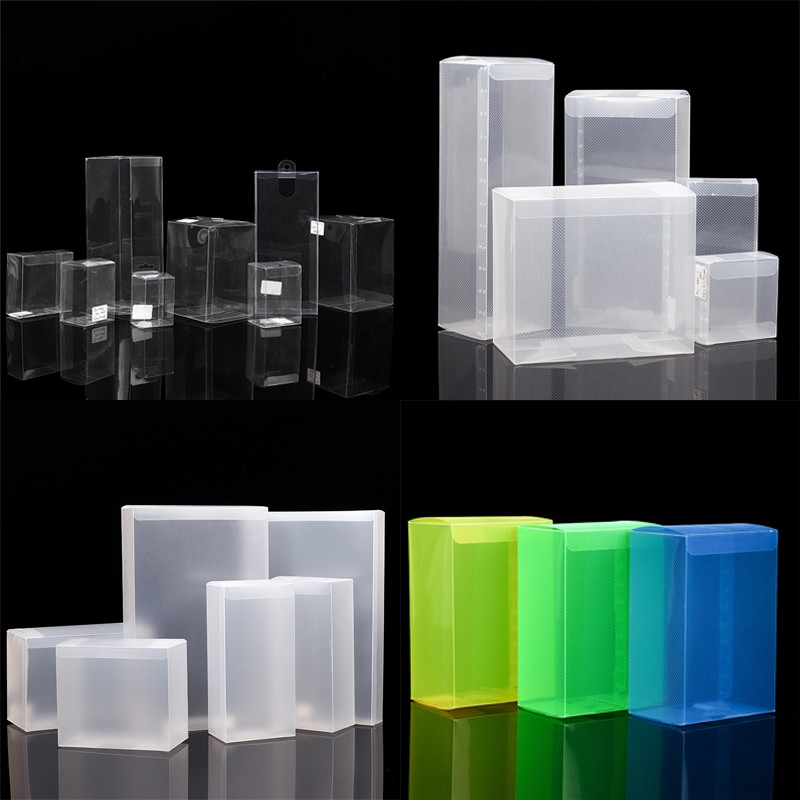
PP PLASTIC SHEET is used in many places. It is strong and bends without breaking. It is safe for food, so it is used in packaging. Car makers use it inside vehicles for lining. Builders use it in construction projects. You can see it in signs outside and inside stores. It is good for water tanks because it does not leak. It helps clean air and water in special systems. It also covers and protects important machines.
Here is a table that lists some uses:
| Application Type | Description |
|---|---|
| Packaging | Strong, light packaging for food and other items |
| Vehicle Lining | Keeps the inside of cars safe and warm |
| Signage | Signs for inside and outside that last a long time |
| Construction | Tough sheets for building things |
| Window Polishing | Makes windows look better and clearer |
| Displays | Shows products in stores and at events |
| Shielding Covers | Protects machines and electronics |
| Water Storage Tanks | Holds water safely without leaking |
| Air and Water Purification | Used in machines that clean air and water |
Tip: Pick PP PLASTIC SHEET if you need something strong, bendy, and safe from water.
PS Sheet Uses
PS plastic sheet is used in many jobs. It is clear and stiff, so it is good for packaging. Food containers and foam trays are made from it. People use it for cups you throw away after one use. It is also used for toys and makeup boxes. You can find it in pens and other school supplies. Builders use it to keep buildings warm or cool. It is used inside fridges and for covers on displays.
Here are some main uses:
Food boxes and foam trays
Throw-away cups and boxes that snap shut
Toys and makeup boxes
School and office supplies
Boards that keep buildings warm or cool
Inside fridges and covers for displays
Note: PS plastic sheet is a smart pick if you want something clear, stiff, and not expensive for packaging or keeping things warm or cool.
Choosing the Right Sheet
Factors to Consider
When you pick between PP and PS plastic sheets, you need to think about a few things. Each thing helps you know which sheet is best for your job. Think about how the sheet works, how much it costs, and if it is safe to use.
Here is a table that lists the main things to check:
| Factor | Description |
|---|---|
| Thermal Properties | See how the sheet deals with heat. PP can take more heat. PS melts when it gets hot. |
| Expansion/Contraction | Plastics get bigger or smaller with heat or cold. PP and PS change size more than metal. This can change how they fit. |
| Exposure to Chemicals | PP does not get hurt by many chemicals. PS can get weak with some chemicals. |
| Environmental Considerations | Think about sun, rain, and dirty air. These things can change the sheet over time. |
| Regulatory Approval Requirements | Make sure the sheet is safe for food or medical use. Look for rules like FDA or UL. |
| Economics | Check the price, but also how long the sheet lasts and how well it works. |
| Other Considerations | See if you can cut, shape, or glue the sheet for your project. |
Tip: Always pick a sheet that fits your project. Do not just look at the price.
You should also care about the planet. Low impact polystyrene (LIPS) uses less energy and makes less pollution. It breaks down faster and is easier to recycle. Polypropylene (PP) is used in many things, but recycling it can be hard. If you want to help the earth, pick sheets made from recycled stuff or ones that are easy to recycle.
Application Suitability
You need to match the sheet to your job. Each type works better for some things. Here is how you can choose:
Food Packaging:
PP plastic sheets are strong, safe, and bendy. They keep food fresh and do not get hurt by chemicals. You can use them for yogurt cups and microwave boxes. PS sheets are clear and stiff, good for trays and boxes, but they break easier and do not like heat.Medical and Laboratory Use:
PP sheets are good for syringes, vials, and medical boxes. They do not get hurt by heat or chemicals. PS sheets are best for petri dishes and covers because they are clear and cheap. High-impact polystyrene (HIPS) is stronger and used for trays and basins.
| Plastic Type | Recommended Applications | Properties |
|---|---|---|
| Polypropylene (PP) | Syringes, vials, medical packaging, surgical masks | Handles heat, resists chemicals, saves money |
| Polystyrene (PS) | Petri dishes, instrument covers | Very clear, low cost, resists some chemicals |
| High-impact Polystyrene (HIPS) | Trays, basins | Tougher and stronger |
Outdoor and Construction:
PP sheets last longer outside. They do not get hurt by water or sun as much as PS. Use PP for signs, water tanks, and building covers. PS sheets are good for inside displays and boards that keep heat in.Budget and Cost:
PS sheets cost less money. Use them for short jobs or when you need clear, stiff sheets. PP sheets cost a bit more, but they last longer and can take more stress.Durability and Safety:
PP sheets are stronger and do not break easily. They are good for tough jobs. PS sheets are fine for light jobs.
Note: If you need a sheet for food or medical things, always check for FDA rules. Safety is most important.
Quick Guide: Which Sheet Should You Choose?
| Need | Best Choice | Reason |
|---|---|---|
| Flexible, strong packaging | PP Plastic Sheet | Tough, bends, safe for food |
| Clear, stiff display | PS Plastic Sheet | Very clear, keeps shape, costs less |
| Medical tools and trays | PP or HIPS | Resists chemicals, heat, and breaking |
| Outdoor signs and covers | PP Plastic Sheet | Handles weather, water, and sun |
| Short-term, low-cost use | PS Plastic Sheet | Cheap, easy to shape, good for displays |
| Eco-friendly design | LIPS or recycled PP | Uses less energy, better for recycling |
Remember: Always check what your project needs before you buy. Picking the right sheet saves you time and money.
You have learned how PP and PS plastic sheets are different and alike.
PS sheets are light and stiff. They look very clear but can break fast. They do not work well with heat.
PP sheets are strong and bend easily. They can handle hot places and last a long time.
| Property | PS Plastic Sheet | PP Plastic Sheet |
|---|---|---|
| Clarity | Very clear | Translucent |
| Toughness | Brittle | Tough and flexible |
| Heat Resistance | Low | High |
Pick the sheet that fits your project best. If you are not sure, talk to someone who knows more.
FAQ
What is the main difference between PP and PS plastic sheets?
You will notice PP plastic sheets bend easily and resist heat. PS plastic sheets stay stiff and clear but break quickly. PP works better for flexible uses. PS fits jobs that need a hard, clear surface.
Can you use PP and PS sheets for food packaging?
You can use both for food packaging. PP plastic sheets handle heat and chemicals well. PS sheets work for cold foods and display trays. Always check for FDA approval before you choose.
Are PP and PS sheets safe for outdoor use?
You should pick PP plastic sheets for outdoor jobs. PP resists water and sunlight. PS sheets may crack or fade outside. Use PS indoors for displays or packaging.
Which sheet costs less, PP or PS?
You will find PS plastic sheets usually cost less. PP sheets last longer and resist damage, so you may save money over time. Choose based on your budget and how long you need the sheet.
Can you recycle PP and PS plastic sheets?
You can recycle both types. PP recycling is growing but needs better sorting. PS recycling faces more challenges. Look for products made from recycled PP or low-impact PS to help the environment.