


 vivi@hgqyplastic.com



The Complete Guide to CPET Trays for Frozen Ready Meals
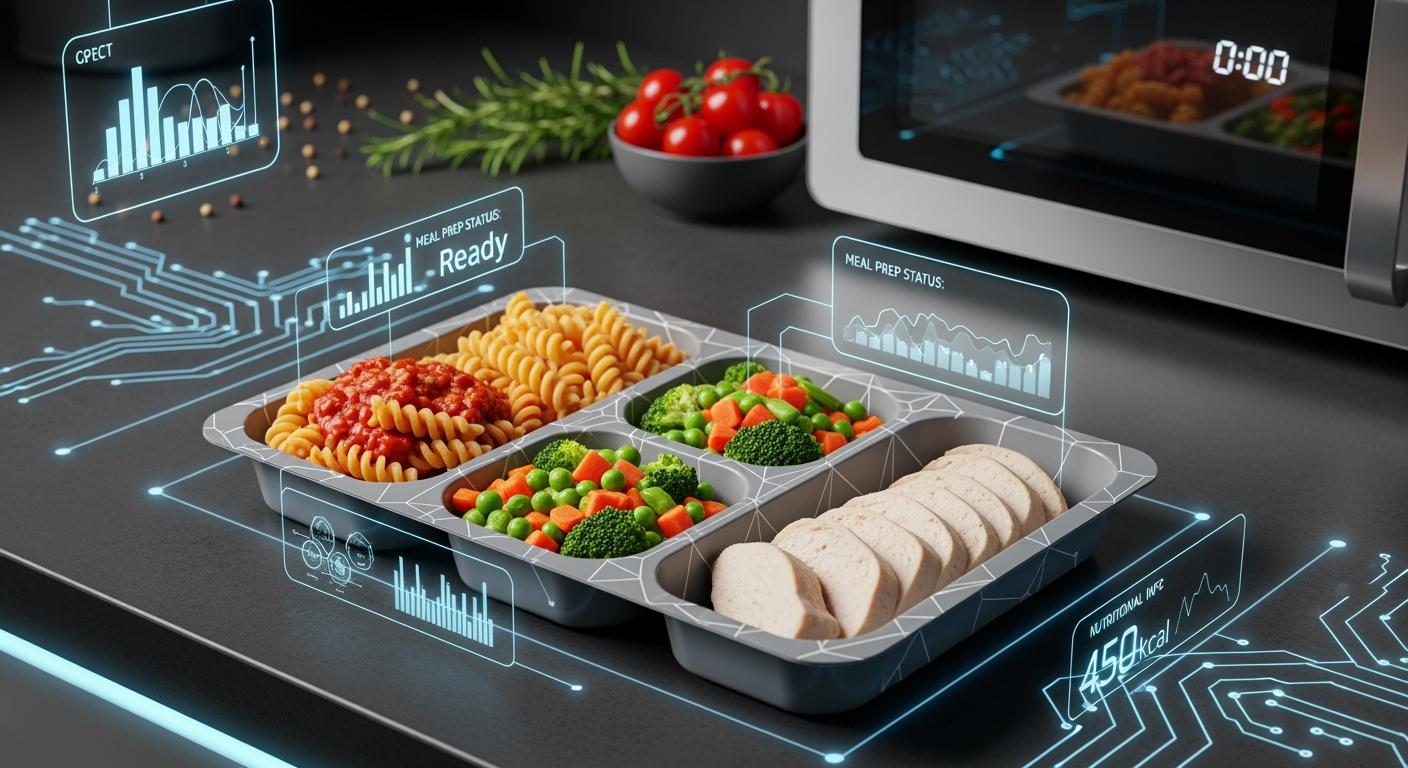
CPET trays give strong packaging for frozen ready meals. They have high thermal stability, so food stays safe when frozen and reheated. Picking the right packaging makes quality, safety, and production better. The world market for ready meal trays is worth USD 1,483 million in 2024. It may grow to USD 2,547.38 million by 2032. C-PET makes up 40% of the market money because it handles very hot and cold temperatures. If you pick a CPET Trays supplier, your packaging will meet industry rules.
CPET Trays Overview
Material and Structure
CPET trays are special in frozen ready meal packaging. They use a mix of materials. Most of the tray is regular plastic. The rest is nucleating agents. These agents help the plastic molecules line up neatly. This makes the trays handle big changes in temperature. You can put them from the freezer into an oven at 400°F. They will not melt or crack.
How the trays are made is important too. Makers heat the plastic to about 350°F. Then they shape it into containers. After that, they cool it fast. This keeps the strong structure inside. The tray blocks oxygen, water, and grease. This keeps food fresh and safe during storage and transport.
CPET trays are easy to mold into different shapes. You can get single-compartment, multi-compartment, or airline formats. This lets you pick the best tray for your meal. The trays bounce back after being hit. They do not bend or break easily.
Tip: If you pick CPET trays, your packaging can handle freezing and heating. This makes them great for ready meals.
Key Features for Packaging
When picking packaging for frozen meals, you want to protect food and make cooking simple. CPET trays have many good features.
Feature | Description |
|---|---|
Excellent freeze-thaw performance | Can handle temperatures from -40°C to +220°C |
Oven-safe | Lets people reheat meals right in the tray |
Superior rigidity and structure | Keeps shape and strength in tough conditions |
Professional appearance | Makes products look nice and high-quality |
Excellent barrier properties | Stops outside things from hurting the food |
CPET trays work well in freezing and heating. They can handle very cold and very hot temperatures. You can freeze, store, and reheat meals without problems. The trays keep their shape even when stressed. This means fewer leaks or spills.
CPET trays make your meals look professional. They have clean lines and are strong. This helps your meals stand out in stores. The trays block oxygen, water, and grease. This keeps food tasting good.
Compared to other packaging, CPET trays are better. PET trays can break when cold and fail in freeze-thaw cycles. CPET trays lower packaging failures by up to 90% in cold-chain logistics. They are strong and last through many temperature changes. This makes them a smart choice for frozen ready meals.
Note: Using CPET trays helps you give safe, high-quality meals to customers every time.
CPET Trays for Frozen Meals
Temperature Resistance
You need packaging that works well for frozen meals. CPET trays give you great temperature control. These trays can handle -40°C to 220°C. You can freeze meals fast and then reheat them later. You do not have to worry about leaks or the trays bending. This big temperature range lets you freeze, ship, and heat meals easily.
CPET trays stay strong even in very hot or cold places.
They do not crack or break after freezing and reheating many times.
After 30 minutes at 200°C, they keep almost all their shape.
They lose less than 1% of their weight, so they are safe for food.
You can use CPET trays for both freezing and baking. PET trays only work up to 70°C and break when frozen. This is why CPET is better for frozen meals. When you use CPET, your meals stay safe and look nice from the freezer to the table.
Tip: Always pick CPET trays if your frozen meals need deep freezing and high heat. This keeps your food safe and tasty.
Compartment Options
You want frozen meals to look nice and taste good. CPET trays come in many compartment choices to help you. You can pick one big section for simple meals. You can also choose trays with more sections for bigger meals. These choices help with portion size and how the meal looks.
Tray Model | Dimensions (mm) | Volume (ml) |
|---|---|---|
2325-1B: 1 compartment | L: 325 x W: 265 x H: 79 | 5100 |
2325-1C: 1 compartment | L: 325 x W: 265 x H: 60 | 3885 |
2325-1C-EVOLVE: 1 compartment | L: 325 x W: 265 x H: 60 | 3885 |
Compartment designs in CPET trays help you in many ways:
Trays with more sections help you give the right amount of food. This helps you follow meal rules for ready-to-eat foods.
Keeping food apart keeps flavors and textures good. Your meals look and taste better after freezing and heating.
Divided trays help food cook evenly. Each part heats the same, so you do not get cold or burnt spots.
People like these trays because they are easy to use. They can heat meals without extra dishes and can track portions for health.
With more sections, you can give balanced meals. You can put protein, veggies, and grains in one tray for better nutrition.
When you use CPET trays with the right sections, making frozen meals is easier. Your customers also get a better meal from the freezer to the last bite.
Benefits of CPET Packaging
Oven and Microwave Safe
You want frozen meals to be safe and simple to cook. CPET packaging lets you use both ovens and microwaves. You can freeze your meals and then heat them right away. The packaging can handle cold and hot temperatures, from -40°C to +220°C. You do not have to worry about bad chemicals when heating or freezing. The trays keep their shape and protect your food while reheating. You can use them for many types of food. This packaging is great for quick "Grab – Heat – Eat" times. You get a good seal every time you make frozen meals.
CPET packaging works for freezing and cooking at high heat.
You can use the trays in fridges, ovens, and microwaves.
The packaging does not let out harmful chemicals when heated or frozen.
You get safe and tasty meals with every seal.
Shape Retention and Durability
You need packaging that keeps its shape and protects frozen meals. CPET trays use a special molecular structure to resist heat. The packaging stays strong even when hot, so it does not sag or leak chemicals. You get impact resistance at freezing temperatures, which is good for freezer-to-oven supply chains. Studies show crystallized PET keeps about 94% of its strength after 50 freeze-thaw cycles. The heat-treated structure stops warping during big temperature changes. You can trust the seal to stay strong and keep your meals safe.
Evidence | Description |
|---|---|
Crystallized Molecular Arrangement | CPET trays keep their shape and resist heat. |
Heat Resistance | Packaging stays strong and cool at high heat. |
Impact Resistance | Packaging stays tough at freezing temperatures for frozen supply chains. |
Strength Retention | CPET keeps 94% strength after 50 freeze-thaw cycles. |
Heat Treated Structure | Stops warping during temperature changes. |
Food Safety and Compliance
You must make sure your packaging follows food safety rules. CPET packaging meets global certifications. You get GB 4806.7 certification for food safety. FDA registration is waiting, and ISO 22000 covers food safety management systems. The packaging also meets FDA, SGS, LFGB, and BRC standards. You can trust the seal to protect frozen meals and keep them good. Buying quality packaging gives you peace of mind and keeps your meals safe for customers.
Certification/Standard | Description |
|---|---|
GB 4806.7 | Certified for food safety rules |
FDA | Registration waiting for food safety |
ISO 22000 | Food safety management system certification |
SGS | Food-grade certification |
LFGB | Food safety standard compliance |
BRC | Global food safety standard compliance |
Tip: Always check that your packaging supplier has these certifications. You protect your frozen meals and keep quality with every seal.
How to Select a right CPET Trays Supplier?
Supplier Criteria
You need to choose a CPET trays supplier who follows strict rules. First, check if the containers are strong. Strong containers keep frozen meals safe when freezing, moving, and heating. Pick suppliers who follow food safety laws and have the right certificates. These suppliers help you keep your meals safe and avoid breaking rules.
When you pick a CPET tray supplier, look at how strong the trays are, if they follow the rules, if they stay strong during shipping, if you can recycle them, and if they save money over time. These things are important for today’s food packaging, especially for being green and working well.
Ask if the trays stay strong during delivery. Good suppliers send trays that do not break when shipped. Being able to recycle trays is important for the planet. Choose a supplier who makes trays you can recycle. Saving money over time helps you keep costs low and quality high. Look at different suppliers and ask for samples. Try freezing and heating the trays to test them. Make sure the supplier can fill big orders and keep the trays good every time.
Use this checklist when picking trays:
Are the trays strong?
Do they follow food safety rules?
Do they stay strong when shipped?
Can you recycle them?
Do they help save money over time?
Customization and Support
You want a CPET trays supplier who lets you change the trays to fit your brand. You can pick colors, put your logo on, or use special sealing films. These things make your meals look better and help people remember your brand. Custom trays help airlines and meal companies give better meals. They also help your meals look nice and sell more.
Good support from your supplier is important. Choose HSQY – we help you select the right CPET trays for your ready meals and answer all your technical questions. Our support includes custom design assistance, material testing, and regulatory compliance guidance (FDA, EU, BRC). We provide rigorous quality control, fast issue resolution, and 7‑day mold tooling. With 12 factories and 40+ lines, we ensure consistent quality and on‑time delivery. Good support keeps your trays safe and your meals premium. Trust HSQY.
Quality Control and Testing
Testing for Temperature Performance
You need strong quality control and testing for CPET trays in frozen ready meal production. You must check how the trays handle temperature changes. Start with thermal performance testing. This step checks if the trays keep their shape and rigidity when you heat or freeze them. You want to see no warping or softening. Durability assessments help you know if the trays can handle rough treatment. You test them by stacking, moving, and filling them with hot, heavy foods. Temperature cycling tests show if the trays can survive many changes from cold to hot and back again. Impact resistance tests check if the trays break when dropped or hit. Food contact safety tests make sure the trays meet global standards for safe food packaging.
You should run these quality verification checks often. This keeps your quality high and your customers safe. If you skip these steps, you risk trays that fail during freezing or heating. That can lead to leaks or broken meals. You want every tray to pass all control steps before you use them.
Tip: Always keep records of your temperature and durability tests. This helps you prove your quality control to customers and inspectors.
Ensuring Seal Integrity
Seal integrity is key for frozen ready meals. You must test the seal on every tray to make sure it stays closed during freezing, storage, and heating. Start with visual checks. Look for gaps, bubbles, or weak spots in the seal. Next, use leak tests. Fill the tray with water and turn it upside down. If water leaks, the seal failed. You can also use pressure tests. These tests show if the seal can handle changes in temperature and pressure without opening.
You need to check seal integrity after every production run. If you find problems, stop and fix them before sending trays to customers. Good seal integrity keeps food safe, stops spills, and keeps meals fresh. High standards for seal integrity protect your brand and your customers.
Seal Test Type | What It Checks For | When to Use |
|---|---|---|
Visual Inspection | Gaps, bubbles, weak spots | Every batch |
Leak Test | Water or air leaks | After sealing |
Pressure Test | Seal strength under stress | Random samples |
You must keep quality control and testing as a top priority. This ensures your CPET trays meet all safety and reliability needs for frozen ready meals.
Using CPET Trays in Production
Filling and Sealing
You start with portioning and container loading. You measure each meal and place it in the tray. Portioning helps you control costs and keep meals consistent. You must pay attention to sealing. A strong seal keeps food safe and fresh. You use heat-sealing machines to close the trays. These machines press a film onto the tray rim. The seal must cover the whole edge. You check the seal before freezing. If you see gaps or weak spots, you fix them right away.
Sealing is not just about closing the tray. You protect the meal from air and moisture. You also stop leaks during freezing and storage. You must test the seal before freezing every time. You can use a simple water test. Fill the tray, seal it, and turn it upside down. If water stays inside, the seal is good. You repeat this process for every batch. You want every seal to pass before freezing.
HSQY provides one‑stop solutions: compatible sealing films, heat‑sealing machines, and tray testing support – ensuring perfect seals and zero leaks before freezing. Contact us for integrated packaging systems.
Freezing and Storage
You move the sealed trays to the freezing area. Freezing must happen quickly. Fast freezing keeps the food texture and taste. You set the freezer to the right temperature. You arrange the trays so air moves around them. This helps even freezing. You must not stack trays too high. Heavy stacks can damage the seal.
During freezing processes, you check the seal again. You look for cracks or leaks. If you find problems, you remove those trays. You want only perfect seals in storage. Storage conditions matter for CPET trays. These trays are engineered to retain their shape and avoid deformation during extended storage. You can trust them to perform well under different freezing and storage conditions.
You keep the trays in storage until shipping. You check the freezer often. You make sure the temperature stays low. You also check the seal before sending meals out. Good freezing and storage protect your meals from spoilage. You deliver safe, high-quality food every time.
Note: Careful freezing and storage keep your seal strong and your meals fresh.
Troubleshooting Common Issues
Preventing Warping and Cracking
You may notice warping or cracking in CPET trays during production or after freezing. These problems can affect food safety and product appearance. You can prevent these issues by following a few best practices.
Control Freezing Speed: Rapid freezing helps keep the tray’s shape. Slow freezing can cause uneven stress and lead to cracks.
Check Fill Temperature: Hot food can soften trays before sealing. Let food cool to a safe temperature before filling.
Avoid Overfilling: Too much food puts pressure on the tray walls. Fill each tray to the recommended level.
Stack Carefully: Heavy stacks can bend trays. Stack trays in small groups and use flat surfaces.
Inspect Trays Before Use: Look for defects or thin spots before filling. Use only trays that pass your quality checks.
Tip: Store trays in a cool, dry place. High heat or humidity can weaken the material before use.
If you see warping or cracks, review your freezing and filling steps. Small changes can prevent most problems.
Labeling and Lidding Problems
Labeling and lidding mistakes can cause leaks, poor branding, or food safety risks. You can avoid these issues by following a clear process.
Problem | Solution |
|---|---|
Labels peel off | Use labels made for cold and moist surfaces. |
Lids do not seal | Check for dust or oil on tray rims. Clean before sealing. |
Misaligned labels | Use guides or machines for label placement. |
Lids pop open | Adjust sealing time and temperature. |
Always test labels and lids before large production runs.
Train your team to spot and fix problems early.
Keep sealing equipment clean and well-maintained.
Note: Good labeling and lidding protect your meals and your brand. You build trust with every well-sealed tray.
If you follow these steps, you can solve most common issues with CPET trays in frozen meal production.
Cost and Sustainability
Cost Factors
It is important to know how cost affects your frozen meal business. CPET containers keep food cold and safe during freezing and storage. These containers cost more than basic ones, but they are stronger. You get better quality and fewer broken trays. Using CPET containers means less waste from leaks or cracks. You save money because your food stays safe while cooling, freezing, and shipping.
You need to think about the price of containers and cooling equipment. You also need to pay for keeping freezing systems working. CPET containers help you avoid spending extra money on damaged food. You do not need to buy as many replacements or fix things as often. Your food quality gets better, so you can sell more meals. Picking CPET containers means you spend money to keep food safe and cold.
Tip: Always compare CPET container costs with other packaging. Check how well each type protects food during freezing and cooling. Pick the one that gives you the best quality for your frozen meals.
Recyclability and Environmental Impact
You want your frozen meals to use containers that help the planet. CPET containers are made to be recycled, but most are not. Only about 27% of CPET containers get recycled. Many recycling centers do not have the right machines for these containers. People are often confused about recycling CPET with other plastics. Multi-layer coatings on CPET containers make recycling even harder. These coatings can send more containers to landfills instead of being reused.
Aspect | Details |
|---|---|
Recycling Rate | Only around 27% of CPET containers are recycled according to Plastics Recyclers Europe. |
Recycling Challenges | Sorting centers often lack proper equipment to handle CPET containers. |
Consumer Confusion | Consumers are unsure if CPET containers can be recycled with regular plastics. |
Multi-layer Coatings Impact | Multi-layer coatings on CPET containers complicate recycling processes. |
CPET containers can help the environment if recycling works well. You should teach your customers how to throw away containers the right way. Work with suppliers who use less coating and support recycling. Better recycling helps the planet and keeps your food quality high. You show customers you care about saving energy and being green.
Note: Always check if your containers meet recycling rules. Pick containers that help with cooling, freezing, and protecting the environment for your frozen meals.
You get lots of benefits when you use cpet trays for frozen ready meals. These trays keep food safe and help it keep its shape. They also make reheating meals easy for everyone. Smart packaging choices help your meals taste better and cut down on waste. To pick the best supplier and make sure quality stays high, follow these steps:
Set clear rules for what suppliers must do.
Check suppliers often to make sure they follow the rules.
Look at how well suppliers make trays and if they meet industry standards.
Talk with suppliers to fix any quality problems.
Use technology to track and report how things are going.
Pick packaging that keeps costs low, quality high, and helps the planet. This helps your business and protects nature. Ask experts if you need more help with frozen meal packaging.
FAQ
What makes CPET trays better than regular PET trays for frozen meals?
CPET trays handle both freezing and heating. You can move them from the freezer to the oven without worry. Regular PET trays often crack or warp in extreme temperatures.
Can you recycle CPET trays after use?
You can recycle most CPET trays. Check local recycling rules first. Some areas do not accept CPET due to sorting limitations.
Tip: Look for recycling symbols on the tray before disposal.
Are CPET trays safe for microwave and oven use?
Yes, you can safely use CPET trays in both microwaves and conventional ovens. They withstand temperatures from -40°C to 220°C. Always follow the manufacturer's instructions for best results.
How do you prevent food from leaking in CPET trays?
You should use proper sealing techniques. Heat-seal the tray with a compatible film.
Inspect seals for gaps or weak spots.
Test with water before freezing.
This keeps your meals fresh and leak-free.